


What the Great Grantium Meltdown Tells Us About the Sector’s Trust Problem
- SLS 360
- Aug 29, 2025
- 3 min read
By Samantha Stimpson (Founder & CEO: SLS 360)
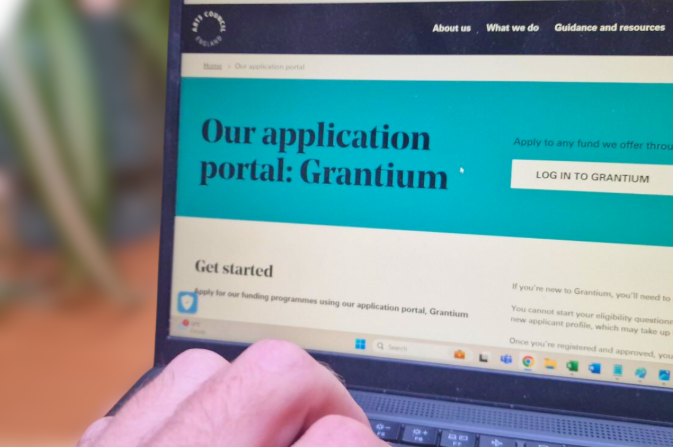
If you've ever stared at a frozen Grantium screen with three browser tabs open, a coffee gone cold, and the creeping sense that your application just disappeared into the ether then welcome. You’re not alone. And you’re probably not surprised to hear that Grantium is down again.
As of late July, the Arts Council England’s (ACE) much-maligned funding portal has been offline, causing chaos for those mid-application and panic for those trying to meet deadlines. ACE blames high traffic and system updates. Meanwhile, the rest of us mutter, “Grant-you-not-again,” (and various other unrepeatable expressions and expletives) with the weary tone of people who’ve been here before. First launched in January 2016 at a cost of £930,000, Grantium was originally developed due to cost-saving requirements imposed by government. Since then it has come in for sustained criticism from users for being counterintuitive, using incomprehensible language and having confusing design.
However the Department for Culture, Media and Sport (DCMS) has now confirmed the platform’s problems will be included in its broader review of ACE, led by Baroness Hodge. And not a moment too soon. The Writers’ Guild of Great Britain (WGGB) has stepped in, urging ACE to take immediate action to ease the pressure on applicants left in limbo.
Because let’s be clear, this isn’t just about IT. When a portal fails, confidence cracks. Playwrights, small orgs, and freelancers depend on funding cycles not just to pay the bills, but to plan their creative lives. Every delay means lost opportunities, altered timelines, or worse, projects scrapped entirely.
The problem with Grantium has never just been about tech. It’s about how we design systems. Are we designing them for accountability or for access? For control or for care? Too often, Grantium has felt like something done to the sector, not for it. And every clunky drop-down menu or unexplained error message chips away at trust not just in the portal, but in the institution behind it.
It’s tempting to joke about it (and trust me we do!) but this situation is serious. A broken application system disproportionately affects the smallest players, the least resourced, the very people public funding is meant to support.
To ACE’s credit, they’ve acknowledged the frustration and promised transformation. But as the review looms, the sector needs more than apologies. We need a sector that doesn’t flinch when systems go offline, because it’s built with resilience and people at the centre. The arts deserve better than a platform that crashes under pressure. They deserve a process that works when it matters most, not just when traffic is low and patience is high.
In the meantime, we wait. We refresh. And we quietly hope this might be the last time we have to explain to a freelancer why their future hinges on whether a login page works.
What we’re doing at SLS 360
SLS 360 supports organisations and individuals to be bold and brave in your efforts to affect positive change. For more information on SLS 360 and the I.D.E.A.L Network, visit www.sls360.org. You can also subscribe to receive our fortnightly audio cast, monthly newsletter and be the first to hear about special offers and events in the world of inclusion, diversity, equity, and inclusion.
📩 Reach out to us at info@sls360.org to start the conversation.
🌐 Visit www.sls360.org to find out more.


Comments